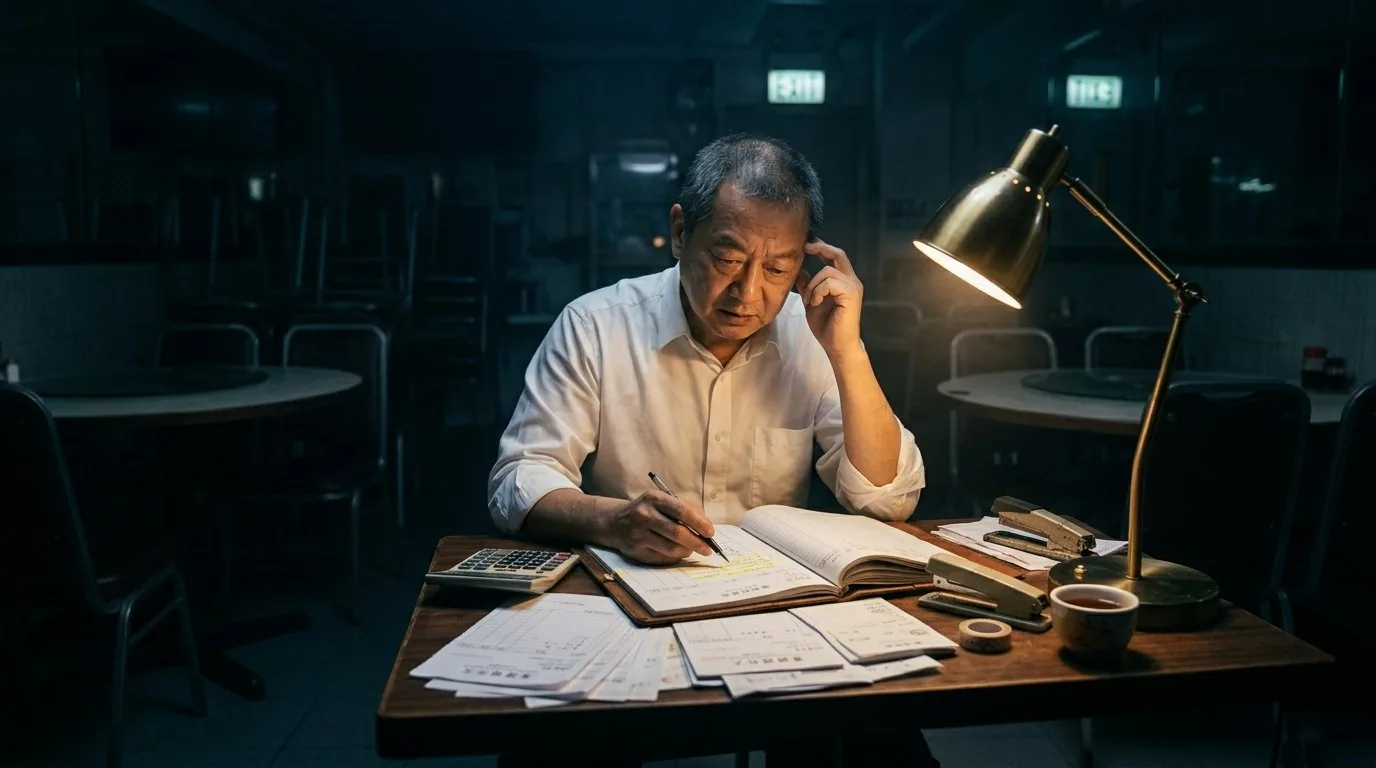
有位開咗 10 年茶餐廳嘅老闆,每個月生意都做到接近滿座,但月尾埋帳發現淨利潤一直跌。佢一直以為食材成本率 30% 已經算 OK,直到逐項拆解先發現,真正蠶食佢利潤嘅,唔係菜式成本,而係 5 個從來冇人提過、但日日都喺度漏錢嘅地方。
每個餐廳老闆都會緊盯食材成本率,當佢係生意嘅生命線。但呢個數字其實藏咗好多嘢,真正蠶食利潤嘅,唔係 P&L 上嗰行「廢料」,而係日常一啲細微嘅漏洞,一年加埋分分鐘係幾萬蚊。呢啲睇唔到嘅漏洞,正正係結業潮入面好多執笠舖嘅共通點,唔係無生意,係睇唔到自己邊度開始蝕。以下係最常見嘅 5 個。
重點速讀
- 發票錯誤靜靜哋飄:橄欖油半年內悄悄加 8%,冇人留意就已經蝕咗幾千蚊利潤。
- 損耗比你估嘅大:好多老闆以為只佔食材成本 1-2%,實際量度過係 4-6%,高峰更去到 8% 以上。
- 舊成本定價蠶食毛利:招牌菜 18 個月前計成本,期間牛肉升 22%、牛油升 14%,等於用舊年毛利做今年成本。
- 人手打字好貴:經理每月 20+ 小時、每小時 HK$200,即係 HK$4,000 管理時間,本來可以自動化。
1. 冇人察覺嘅發票錯誤
供應商靠人手入價,人手入嘅價自然會慢慢飄。當橄欖油喺半年內悄悄加咗 8%,又冇人留意,你已經默默蝕咗幾千蚊利潤。
常見情況有三種:
- 單價慢慢變動供應商每次落單加少少,你逐張單睇覺得正常,但對返半年前嘅單就嚇一跳。
- 數量寫錯明明送 8 件,單上面寫 10 件。送貨員照畀你簽,第二日已經對唔到。
- 同單重複入帳一張單入咗兩次,會計同廚房用唔同系統,月尾埋數先發現重覆。
處理方法:每張發票嘅單價,都要對返上次協定嘅價;每張單上嘅項目要對返實物。冇可能人手日日做,所以呢個位最值得用 OCR 自動化。(想杜絕呢類發票錯誤,AI 掃單自動對帳係最直接嘅做法。)
2. 庫存損耗
變壞、偷竊、份量超標、點錯數。大部分老闆估損耗只佔食材成本 1-2%,但實際量度過,數字接近 4-6%,高峰時更去到 8% 以上。
呢個數字點嚟?舉個例:一條 $480 嘅牛肉,理論上可以出 24 碟,實際只出到 18 碟(因為起肉、修邊、煮錯),即係實際每碟成本由 $20 跳到 $26.7。如果你嘅菜式以理論成本定價,呢碟菜每賣一份,毛利就同預期差成 30%。
處理方法:每週盤點係最低要求,高價食材就要每日盤。最關鍵嘅,係將「理論用量」(食譜 × 賣咗幾多碟)同「實際用量」(盤點對返出嚟)擺埋一齊比,差異率超過 5% 嘅食材,必定有源頭要處理。
3. 用舊成本定價嘅菜式
你嗰碟招牌意粉,成本係 18 個月前計嘅。之後牛肉升咗 22%、牛油升咗 14%、供應商仲加埋燃油附加費。如果你冇重新定價,等於用舊年嘅毛利去做今年嘅成本。
更危險嘅係:好多老闆唔知自己幾耐冇 review 過。一張餐牌有幾十款菜,逐碟翻新成本表,個個都覺得「下個月再講」。下個月變下年,下年變五年。
處理方法:
- 至少每季 review 一次主菜成本同毛利率。
- 食材價變動超過 10% 嘅,要即時觸發 review,唔等到 quarter end。
- 有數據追蹤入貨價走勢,調整就唔使靠記憶。
4. 「以防萬一」入過多貨
入貨估計唔準,逢星期五就驚到亂入貨。結果:星期二仲有鮮貨喺雪櫃,本應上枱嘅變咗報廢。
過量入貨嘅代價,唔止係報廢嘅食材費。仲有:
- 現金壓死:每蚊壓喺貨架嘅,都係唔可以周轉嘅錢。
- 儲存空間:雪櫃塞太多,鮮貨搵唔到,舊貨被埋,最終又一次報廢。
- 偷竊風險:庫存混亂嘅時候,少咗貨你都未必察覺。
處理方法:par level 應該用過去 30 日嘅用量數據去定,唔係靠感覺。鮮貨入貨量等於「par level - 現存量」,唔係「廚房話入幾多就入幾多」。
5. 時間花喺打字而唔係營運
你個經理每月花 20+ 小時,將發票一張張打入 Excel。以每小時實際成本 HK$200 計(連 MPF、保險等),即係每月 HK$4,000 嘅管理時間,蒸發喺本來可以自動化嘅工作上。
更嚴重嘅係機會成本:呢 20 個鐘原本可以用嚟分析菜式毛利、訓練員工、傾返兩三個供應商比價。一個經理嘅時間用喺策略決策上,回報遠遠高過用嚟打字。
處理方法:可以自動化嘅,就絕對唔好留畀人手,AI OCR 發票掃描、自動同步 POS、自動對帳,呢啲喺今時今日已經唔係奢侈品。
睇唔到嘅嘢,你永遠改唔到。成本管理嘅第一步,就係將睇唔到嘅成本變成睇得到嘅數字。
用 AI 即時揪出隱藏成本,唔使等月結
追蹤呢 5 個漏洞,靠人手做幾乎不可能,你冇可能逐張發票對返舊單價,亦冇時間每日盤點高價食材。InvSpot 用 AI 幫你掃張入貨單就自動計,即時捉出蠶食利潤嘅漏洞,由「唔知自己邊度漏緊錢」變成一眼睇得清嘅數字。做法係將呢啲全部自動化:
- 自動同上次採購價對返單價發現異常,即刻提醒。
- 自動計每碟菜真實成本包括損耗,連帶每個食材嘅實際成本率。
- 比對理論用量同實際用量揪出庫存縮水嘅源頭。
- par level 建議按真實銷量數據去入貨,唔再靠估。
- OCR 發票掃描將打字時間由幾分鐘壓到幾秒。
一個 dashboard 睇晒所有漏洞,先有得逐個堵返。
常見問題
呢 5 個漏洞,邊個最緊要先處理?
通常由「最容易見到回報」嘅入手,對大部分餐廳嚟講,係 #1(發票錯誤)同 #5(自動化)。呢兩樣每日都發生,自動化之後一兩個月就見到效果。
細舖食材少、生意細,係咪唔使做咁仔細嘅分析?
剛好相反。細舖現金流更緊,每個漏洞嘅相對殺傷力更大。一間月營業額 50 萬嘅舖頭,5% 嘅損耗就係 25,000 蚊,已經夠請多個兼職。
投入時間做呢啲分析,幾耐見得到回報?
建立系統大約用 2-4 週(人手設定加培訓)。之後每月會見到食材成本率慢慢回落 1-3 個百分點,半年內基本上回本。
結論
隱藏成本唔係意志力嘅問題,而係「睇得到」嘅問題。當每個漏洞都喺同一個 dashboard 度睇得到,要處理就一啲都唔難,InvSpot 正正係為此而設。有咗清楚嘅數,堵呢啲漏洞就唔再係靠估,而係一個個你試得起、睇得到結果嘅決定。
想知道你間舖呢 5 個漏洞究竟流走咗幾多錢?試吓用 InvSpot 對返數,分分鐘嗰個數字會比你預期高一截。